
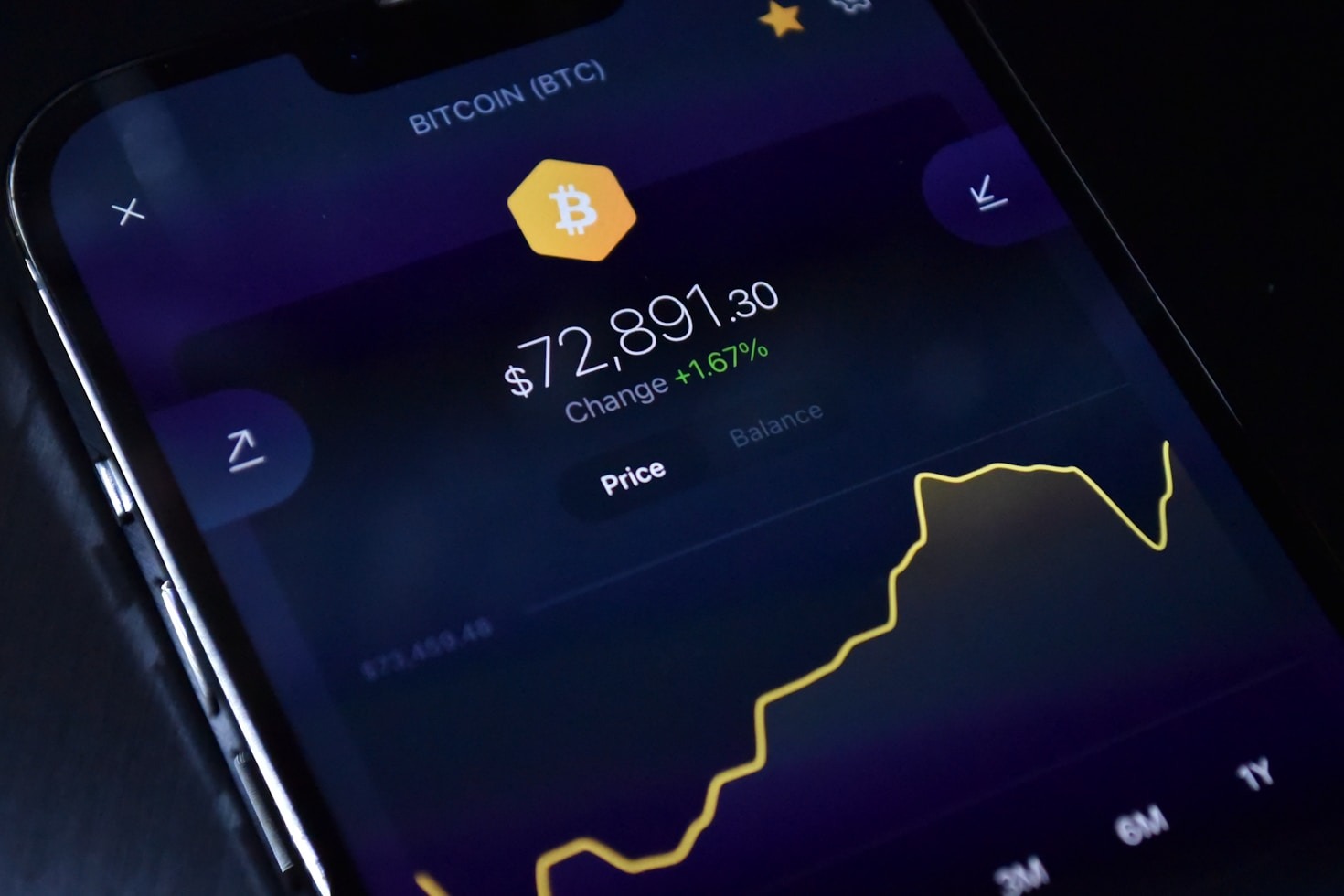
If you’ve ever bought or traded crypto, chances are you’ve used a crypto exchange. But what actually happens when you click “Buy” on Bitcoin or “Sell” your Ethereum?
Let’s peel back the curtain and walk through how crypto exchanges really work—no tech degree required. 🔍
Not your keys, not your coins.
True but an exchange can help you discover crypto and is perfect for trading. Also you will need an exchange is you want to pay out your crypto. A hardwallet is used to store your crypto if you don’t want it on an exchange. In this way the coins belong to you and you can transfer it to any exchange you like. If you leave your coins for a long time in the exchange and it goes broke like FTX you risk losing all your assets.
⚙️ What Is a Crypto Exchange?
At its core, a crypto exchange is a digital marketplace where people buy, sell, or trade cryptocurrencies.
Think of it like a stock exchange, but instead of buying Apple or Tesla shares, you’re dealing with Bitcoin, Ethereum, Solana, or other digital assets.
🏛️ Types of Crypto Exchanges
There are two main types of exchanges, and they work very differently:
1. Centralized Exchanges (CEX)
Examples: Coinbase, Binance, Kraken
- Run by companies.
- Act as middlemen between buyers and sellers.
- Offer user-friendly platforms and customer support.
- Hold your funds in custodial wallets (you don’t fully control your private keys).
💡 How it works: You create an account, deposit money, and the exchange matches you with other users looking to buy/sell. Think of it like a matchmaking service for crypto trades.
2. Decentralized Exchanges (DEX)
Examples: Uniswap, PancakeSwap, dYdX
- No central authority.
- Trades happen directly between users via smart contracts.
- You stay in control of your crypto (non-custodial).
💡 How it works: You connect a wallet like MetaMask, pick a token pair, and the DEX uses a liquidity pool to instantly swap one token for another.


🔄 What Happens When You Place an Order?
Whether you’re on a CEX or DEX, here’s a simplified step-by-step look at what happens behind the scenes:
🛒 1. You Place an Order
You choose to buy or sell a crypto asset. You can place:
- A market order (executes immediately at the best available price)
- A limit order (executes only at a specific price you set)
⚖️ 2. Order Matching
On a CEX:
- The exchange’s order book matches your order with someone offering the opposite trade.
- Once matched, the exchange executes the trade and updates your balance.
On a DEX:
- There’s no order book. Instead, it uses an automated market maker (AMM) and taps into liquidity pools to complete your trade.
🪙 3. Settlement
Your crypto balance updates almost instantly (CEX) or directly in your wallet (DEX). On DEXs, the transaction is finalized on the blockchain, so you’ll also pay a network fee (aka gas fee).
🔐 Behind the Scenes: How Do They Handle Your Crypto?
- CEXs usually store user funds in hot wallets (online) and cold wallets (offline) for security.
- DEXs never hold your funds—you interact with smart contracts directly using your own wallet.
📊 Liquidity: Why It Matters
Liquidity = how easily you can buy or sell without affecting the price too much.
- Big exchanges usually have high liquidity = faster, cheaper trades.
- Low-liquidity platforms can lead to price slippage (you pay more than expected).
🧠 Bonus: What Powers These Platforms?
- Order matching engines: These are the brains of CEXs, handling millions of orders per second.
- Smart contracts: These run DEXs, automating the trading process on the blockchain.
- APIs: Allow bots and third-party apps to interact with exchanges (for price tracking, automated trading, etc.).
🧩 Final Thoughts: Why It Matters
Understanding how exchanges work helps you:
- Pick the right platform for your goals (CEX = easy, DEX = control)
- Trade smarter and safer
- Spot red flags (like sketchy platforms or unusual fees)
Whether you’re a beginner making your first crypto buy or someone exploring deeper into DeFi, knowing what’s going on behind the screen empowers you to make better, safer decisions in this fast-moving world.
Leave a Reply